 Made in the UK
  | Fast Despatch
  | Unique 3D Printed Gifts
 Free UK Delivery
PPWR Compliance Costs: Why Small UK Businesses May Stop EU Shipping
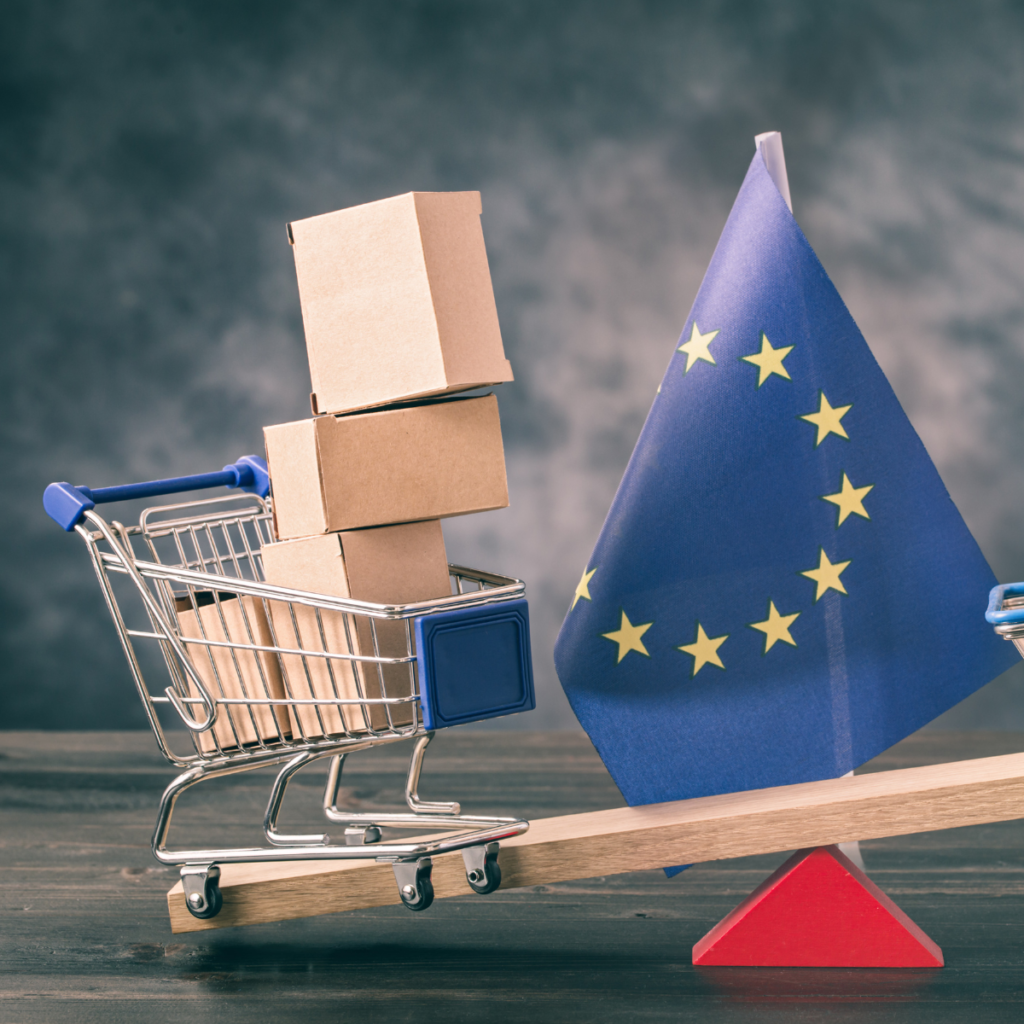
PPWR compliance costs could make selling to the European Union unprofitable for many small UK businesses when the new rules generally begin to apply on 12 August 2026.
If you run a small UK business and send packaged products to customers in the European Union, these rules could affect you.
The purpose of PPWR is to reduce packaging waste, remove unnecessary packaging and improve recycling. However, the potential PPWR compliance costs and additional administration could make occasional EU sales unprofitable for many microbusinesses.
At 3D Joy, we have decided to disable EU shipping because we cannot justify the additional cost and bureaucracy for the small number of EU orders we receive.
Here is what other small UK businesses need to know.
What is PPWR?
PPWR stands for the Packaging and Packaging Waste Regulation. Its official name is Regulation (EU) 2025/40.
It applies to packaging placed on the EU market, including packaging sent from the UK to customers in EU countries.The regulation covers areas including:
- packaging materials;
- packaging recyclability;
- unnecessary or excessive packaging;
- substances used in packaging;
- information from packaging suppliers;
- technical and compliance records
- future packaging labels
Although PPWR generally applies from 12 August 2026, not every requirement begins on that date. Some labelling and more detailed recycling requirements will be introduced later.
How PPWR compliance costs affect small UK businesses
Being based in the UK does not automatically place a business outside the scope of PPWR.
If you send a product in packaging to an EU customer, that packaging is being placed on the EU market. Therefore, you may have responsibilities under the regulation.
Microbusinesses may receive lighter treatment under certain parts of PPWR. However, there is no simple exemption allowing every small business to ignore the regulation.
This means small sellers need to check their packaging, understand their responsibilities and consider the possible cost of PPWR compliance before continuing to accept EU orders.
What should small businesses check?
If you sell packaged products to EU customers, begin by creating a list of every part of the packaging you use.
This could include:
- product packaging
- cardboard boxes
- mailing bags
- protective wrapping
- tissue paper
- inserts
- labels
- adhesive tape
- filling material.
Record what each item is made from and, where possible, how much it weighs.
You should also contact your packaging suppliers and ask what PPWR information they can provide. Keep product specifications, material details and any declarations supplied to you.
Businesses should also review whether they are using packaging that is larger or more complicated than necessary.
Completing this first packaging audit will make it easier to understand your possible EU packaging compliance costs.
What are the likely PPWR compliance costs?

There is no single PPWR fee for every business.
The overall cost will depend on the packaging used, the business’s role in the supply chain and where its products are sold.
Possible PPWR costs include:
- replacing unsuitable packaging
- obtaining information from suppliers
- weighing and recording packaging
- preparing or storing documents
- updating packaging designs
- introducing new labels in the future
- receiving professional compliance advice
- staff time spent understanding the regulation.
For many small businesses, time may be one of the biggest PPWR compliance costs.
A large company can employ specialists to manage packaging regulations. In a microbusiness, the owner may have to research the rules, contact suppliers, update records and monitor future changes personally.
The true cost of PPWR compliance therefore includes both the money a business pays and the time taken away from designing products, serving customers and fulfilling orders.
Why PPWR costs are a problem for low-value EU sales
Fixed compliance costs are easier to manage when a business makes thousands of sales.They are much harder to justify when a small business receives only a few EU orders each year.
For example, recent EU orders received by our small business included: a £19 website order from Germany; and a £14.99 Etsy order from Ireland.
Together, these orders generated £33.99 in revenue. This is not profit.
The business must still deduct product materials, packaging, postage, selling fees, payment fees, labour and other overheads.
It would not make financial sense to spend substantial amounts of time or money managing additional requirements for this level of sales. Even relatively modest EU packaging compliance costs could wipe out all the profit earned from these orders.
Should small businesses increase their prices?
Increasing prices may seem like the easiest way to recover PPWR compliance costs. However, it may not be practical for businesses selling low-value products.
Adding a compliance charge to a £5, £10 or £20 product could make it too expensive for the customer.
Small businesses could introduce a minimum EU order value. This may help spread the PPWR costs across several products, but it will not remove the administrative work or uncertainty.
Another option is to limit shipping to the EU countries where the business receives enough orders to justify the cost.
Before deciding, calculate your revenue, profit and likely EU packaging compliance costs separately. Do not look only at your total EU sales because the position may be different in each country.
For businesses making only occasional EU sales, disabling EU shipping may be the only commercially realistic choice.
Five steps to manage the cost of PPWR compliance

1. Audit your packaging
List every packaging component used for EU orders, including boxes, envelopes, labels, tape and protective material.
2. Contact your suppliers
Ask suppliers what the packaging is made from and what PPWR information or compliance documents they can provide.
3. Reduce unnecessary packaging
Check whether any boxes or envelopes are larger than needed. Avoid extra layers that do not protect the product or improve delivery.
4. Calculate whether EU sales remain worthwhile
Compare your EU revenue and profit against the likely PPWR costs and the time needed to understand and manage the rules. Use your actual sales figures rather than assuming that future orders will eventually cover the additional overhead.
5. Review your shipping options
Depending on your sales, you may decide to continue EU shipping, introduce a minimum order value, restrict certain countries or disable EU shipping.
Why 3D Joy is stopping EU shipping
We support reducing packaging waste. Using unnecessary packaging costs us money, increases postage costs and creates more waste.
Our objection is to the additional bureaucracy and overhead being placed on small businesses that cannot afford it.
We believe the regulation creates yet more ridiculous bureaucracy that fails to recognise how microbusinesses operate.
Unless a simpler and more affordable process is provided, the practical effect will be to push small businesses out of the EU market.
Could PPWR reduce customer choice?
If more small UK businesses disable EU shipping, customers in the European Union will have less access to products from independent makers.
Large businesses can spread their PPWR compliance costs across thousands or millions of orders. Small sellers cannot.
As a result, regulation intended to improve packaging could strengthen large retailers while making international trade less viable for small businesses.
The environmental aims of PPWR are important, but the requirements need to be proportionate.
What should happen next?
Small businesses need:
- clear guidance written in plain English
- simple record-keeping requirements
- reliable information from packaging suppliers
- affordable compliance support
- exemptions or simplified rules for very low levels of EU sales
A microbusiness sending a handful of lightweight parcels should not face the same practical burden as a multinational retailer.
Will your business stop shipping to the EU?
We would like to hear from other small businesses affected by PPWR.
Will you continue selling to EU customers, increase your prices, introduce a minimum order value or stop EU shipping completely?
If you are an EU customer, are you already finding that small UK businesses no longer deliver to your country?
Please share your experience in the comments. PPWR is intended to reduce packaging waste, but we also need an honest discussion about its cost and unintended effect on small businesses.
This article provides general information and describes our experience as a UK microbusiness. It is not legal or compliance advice. Businesses should check the official guidance for their particular products, packaging and circumstances.